What children explored
How Plants Grow
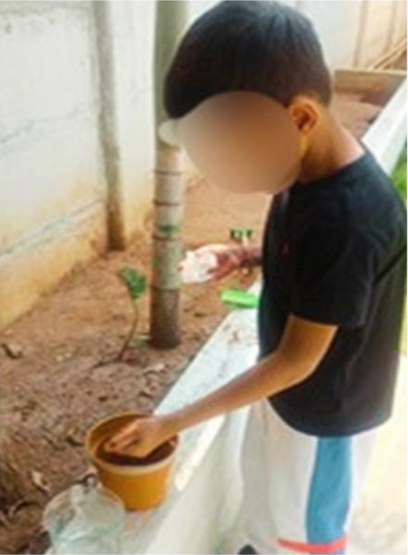
Children began by sowing seeds in soil and observed how different types of soil supported plant growth. Over time, they watched the process of germination, noticing how tiny seeds sprouted into young plants.
As they learned about the parts of a plant, they identified roots, stems, leaves, and flowers, and understood their functions. They also discovered how plants make their own food through photosynthesis using sunlight, water, and air. To express their learning, they created art inspired by seeds, soil, and growing plants.
Activities from this theme
What children made and observed
Sowing and Germination
Children sowed seeds in different types of soil and observed which conditions supported the best growth. They recorded observations over time, developing the habit of scientific documentation.
Plant Parts Artwork
Children created detailed artwork showing the parts of a plant. They labelled roots, stems, leaves, and flowers, combining scientific accuracy with creative expression.
Nature Trail Observation
Children went outdoors to observe plants in their natural environment. They collected leaves and petals, observed insects, and recorded what they found, connecting classroom learning to the living world outside.
Seed and Soil Art
Inspired by the theme, children created artwork using seeds, soil, natural materials, and paint. They expressed their understanding of growth and nature through creative work.
Gallery
From the session
The Book
Paired read-aloud
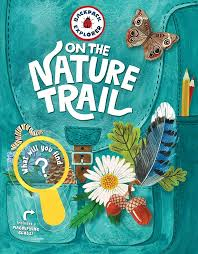
On the Nature Trail
This book encourages children to build early scientific thinking through direct observation and sensory exploration. It engages children to observe nature by looking at birds, trees, flowers, and clouds. Children are invited to investigate nature closely, develop early inquiry skills, and record their findings.