What children explored
Exploring a Pond
During Thrive Beyond, children learned about ponds through careful observation and hands-on investigation. They observed plants and small organisms up close, understanding that a pond is a habitat for many living things that depend on each other.
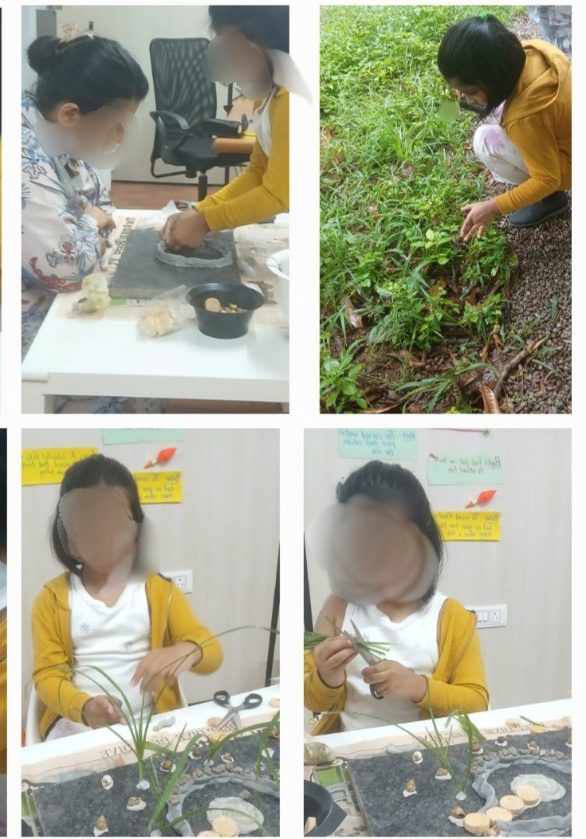
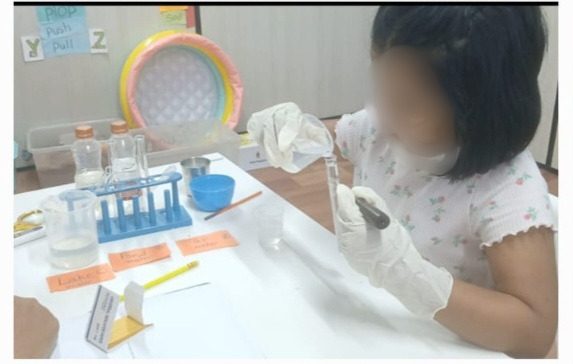
By testing water samples, they learned that clean water is essential for both plants and animals to survive. Creating a pond model helped them see how different materials settle and form layers. They also used a torchlight to observe water turbulence and understand how far light can travel through water.
These activities enhanced observation skills and deepened their understanding of the importance of caring for nature and protecting the environment.
Activities from this theme
What children made and tested
Pond Observation
Children observed and sketched plants and organisms from a real pond sample. They recorded what they noticed and discussed the relationships between different living things in the pond ecosystem.
Building a Pond Model
Children designed and constructed miniature pond models, selecting materials carefully and observing how layers of soil, sand, and water settled over time.
Testing Pond Water
Using simple testing equipment, children examined water samples and discussed what makes water clean or polluted. They connected this to the health of the animals and plants that live in ponds.
Layers of the Pond
After exploring the concept of water layers, children created artwork showing the different zones of a pond, from the surface to the muddy bottom, illustrating the organisms that live at each level.
Gallery
From the session
The Book
Paired read-aloud

Over and Under the Pond
Chosen for strong inquiry-based learning about how a pond ecosystem functions. This book helps children understand the interdependence among animals, insects, fish, and plants. Children carefully examine the life cycles and development of different pond creatures, using the text as a reference for their own investigations.