What children explored
Understanding How Simple Machines Work
At Thrive, children explored the world of simple machines through hands-on learning and real-life connections. They discovered how tools such as levers, wheels and axles, pulleys, inclined planes, wedges, and screws make everyday tasks easier.
Through building models, experimenting, and participating in discussions, learners developed an understanding of key concepts like effort, movement, and force. They discovered how ramps reduce effort, how pulleys assist in lifting loads, how wedges cut materials, and how screws hold objects together.
This learning journey nurtured curiosity, creativity, and problem-solving skills, helping children connect classroom learning to their everyday lives.
Activities from this theme
What children made and tested
Lever Model Making
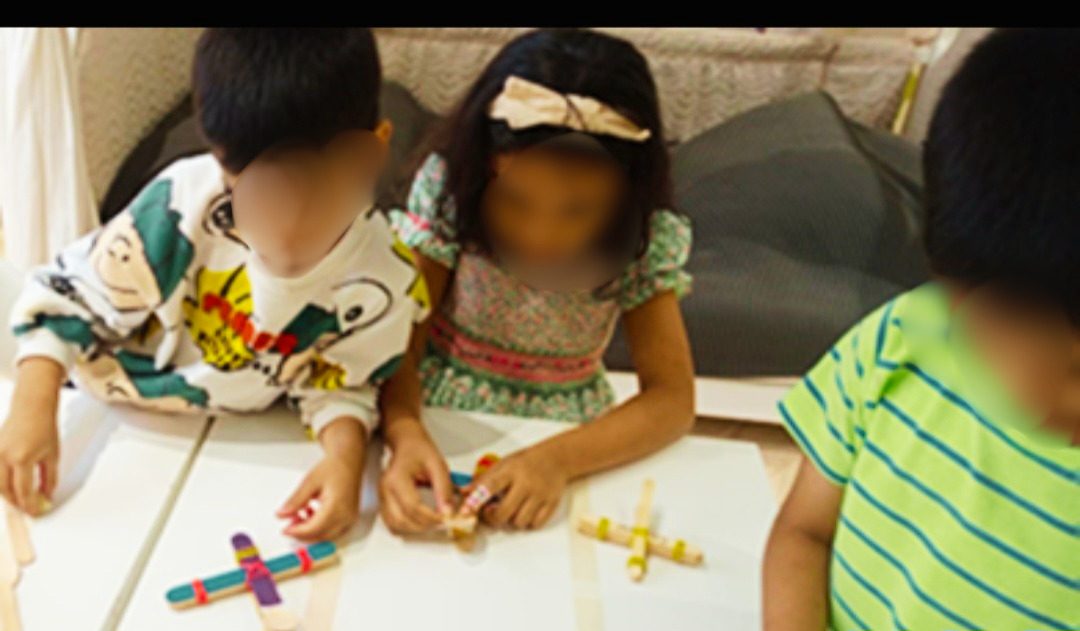
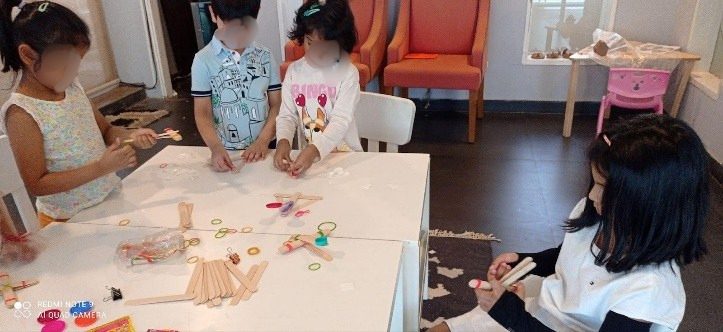
Children built lever models using popsicle sticks and rubber bands, exploring fulcrums and load positions. They tested how changing the fulcrum position affects the effort needed to lift a load.
The Ramp Explorer
Learners were introduced to the concept of inclined planes. Through testing with a toy on a flat surface and on ramps at different angles, they observed how slope affects movement and force required.
Archimedes Screw
Children created a simple Archimedes screw model using a bottle and a pipe, then tested it in water. As they turned the model, they observed water moving upward, demonstrating that rotating motion can lift water against gravity.
Understanding Pulleys
Using simple materials, children built and tested pulley systems. They compared lifting a weight directly against using a pulley, and discussed how pulleys change the direction and effort of force.
Gallery
From the session